Extracurricular


Wushu
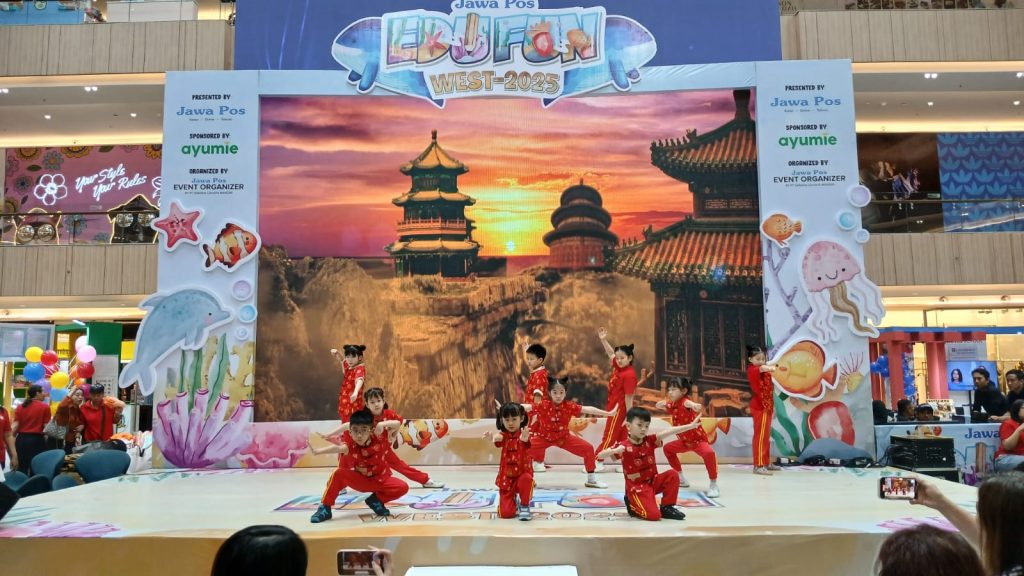
In wushu, we learn about art, sports, health, martial arts, and mental discipline. Studying wushu involves more than just physical movements; it also involves the mind. Studying wushu means learning breathing techniques, understanding anatomy, and studying herbs and medicines that strengthen and heal the body. All styles of kung fu or martial arts originating from traditional China, whether hard or soft, can be called wushu. Hard wushu includes Nanquan southern fist and Changquan long fist. Soft wushu includes taijiquan, baguazhang, and xingyiquan. Wushu developed by Chinese ethnic groups in Southeast Asia, especially Indonesia, is often referred to as Kuntao.
Piano
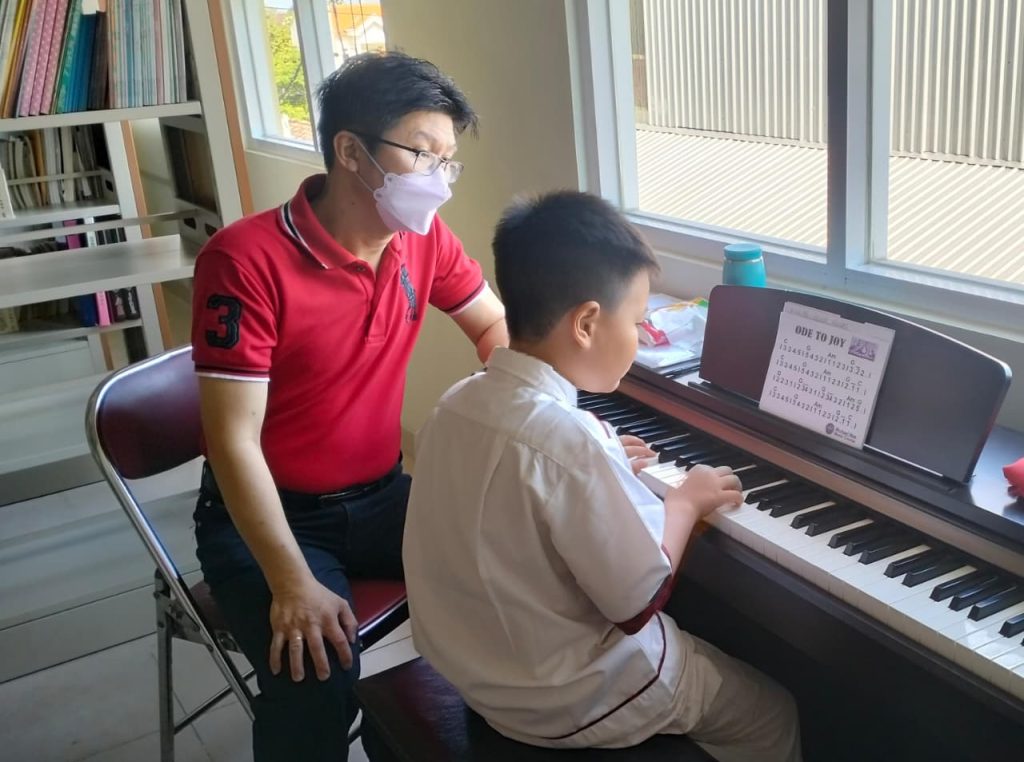
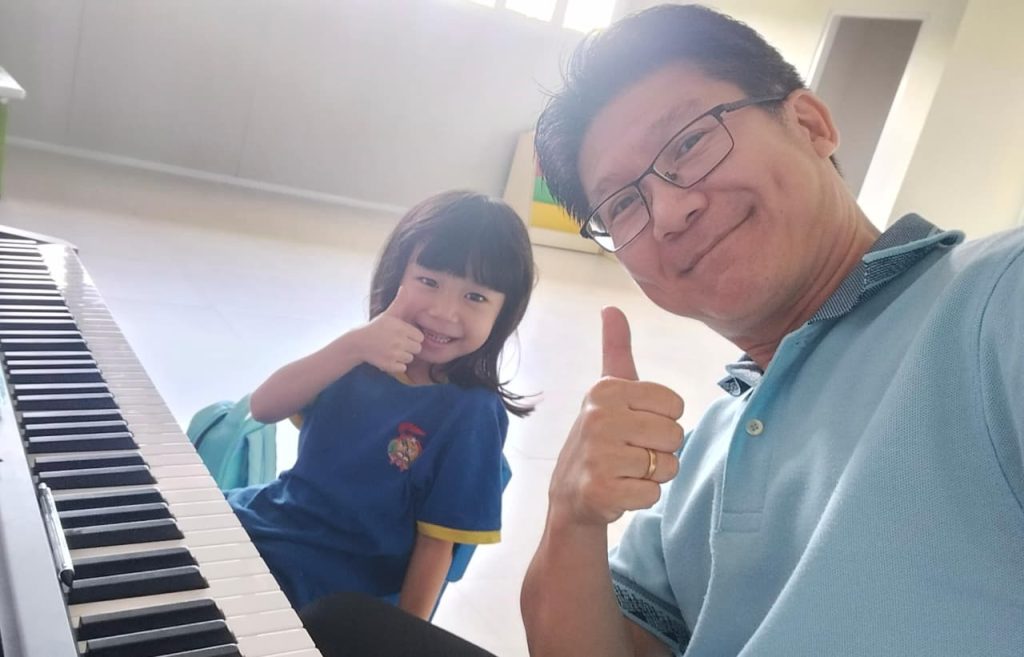
Playing the piano has been proven to enhance language learning abilities by stimulating the relevant part of the brain. Practicing the piano hones children’s listening skills, increasing their ability to pick up language quickly and efficiently.
One study showed that elementary school children who had practiced piano for three years had better language skills and vocabulary than children who did not play piano.


Angklung
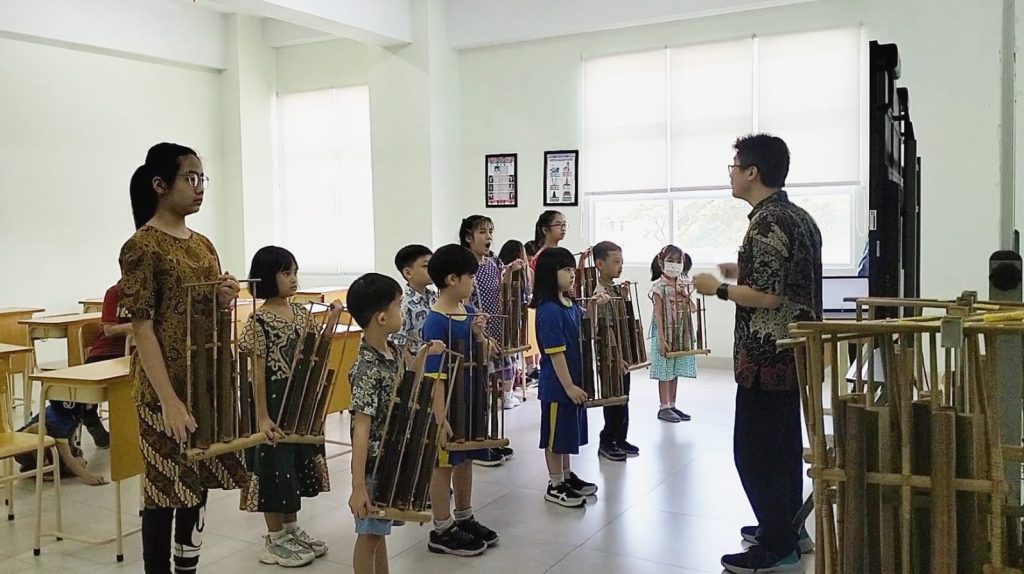
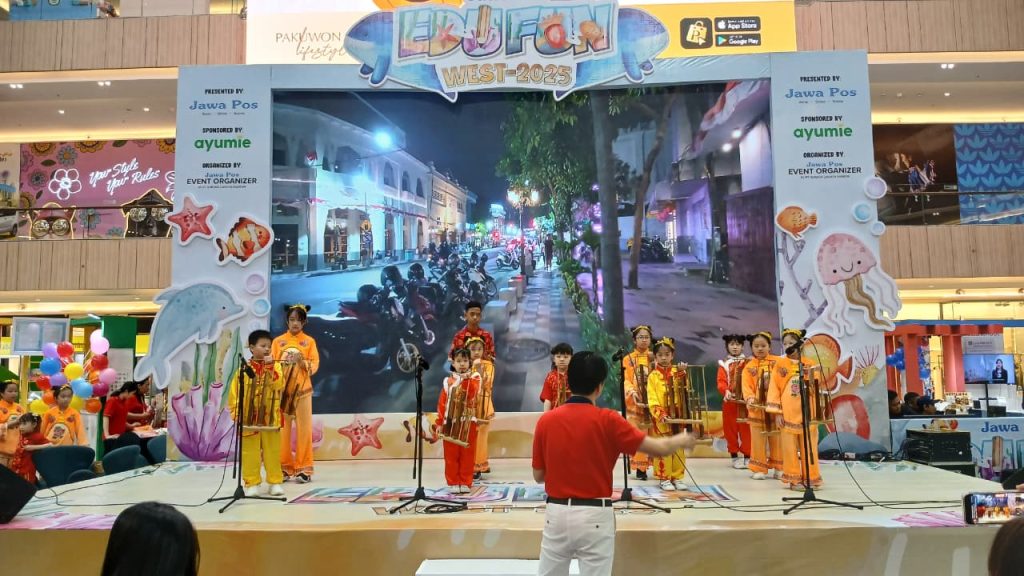
The Angklung Extracurricular Activity is designed to develop students’ talents, interests, and creativity in the field of traditional Indonesian music. Through this activity, students learn about the history of the angklung, how to play it, how to read simple musical notation, and how to work together as a team to create beautiful musical harmony.
In addition to preserving the nation’s culture, the angklung extracurricular program also helps improve students’ discipline, concentration, sense of responsibility, and self-confidence. Members of the program regularly attend practice sessions and have the opportunity to perform at various school events and cultural arts competitions.
Traditional Chinese Dance
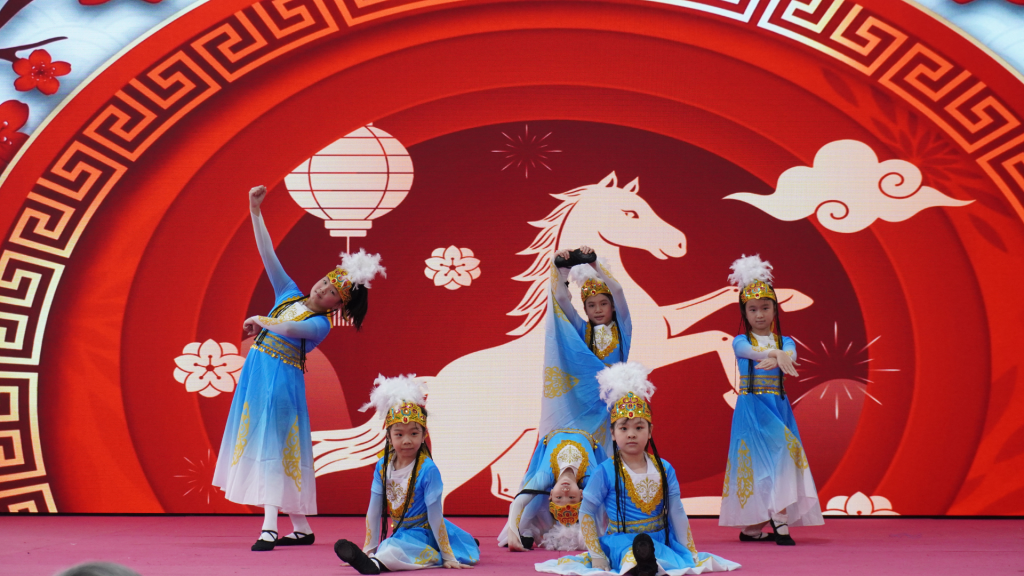
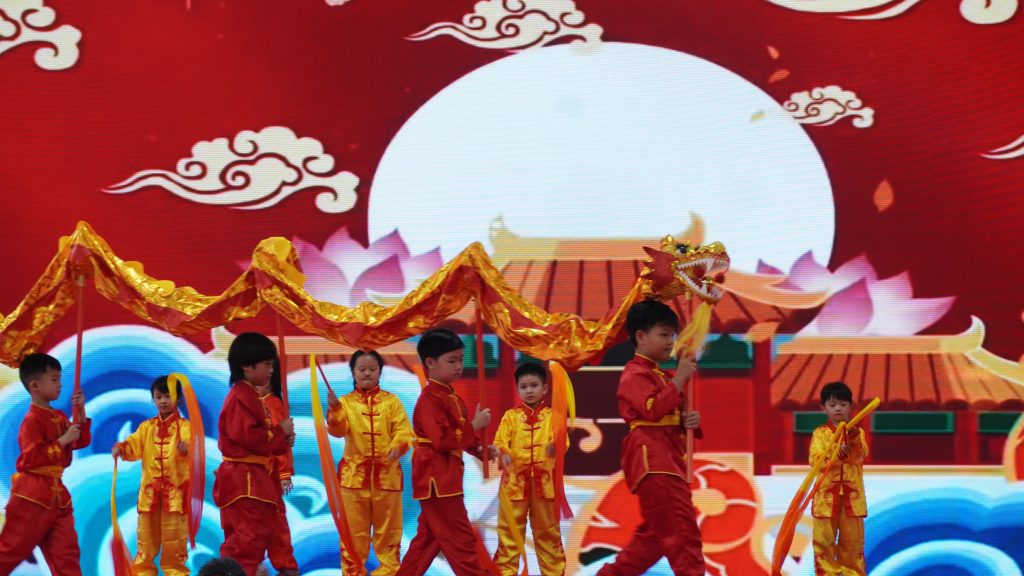
The Traditional Chinese Dance Extracurricular Program is an activity that provides students with an opportunity to learn and develop dance skills rooted in Chinese culture. Through this program, students are introduced to various types of traditional dances, basic movements, expressive techniques, the use of dance props, and the cultural values embedded within them.
This program aims to enhance students’ artistic abilities, creativity, discipline, and self-confidence. In addition to practicing dance techniques, participants also learn about the history, significance, and unique aspects of Chinese culture, thereby fostering an appreciation for the world’s cultural diversity.
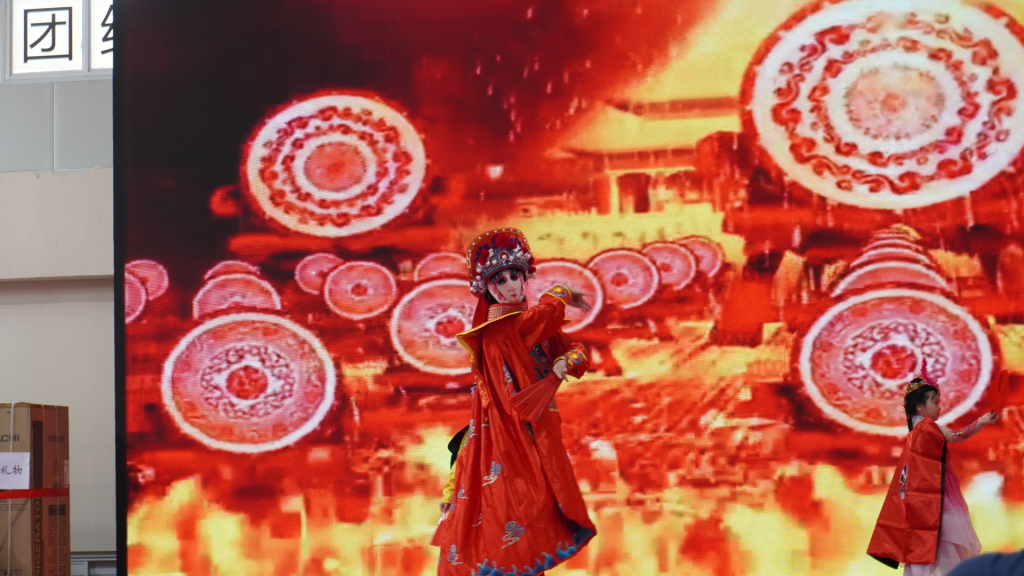
Little China Opera
Little China Opera is an extracurricular activity that introduces students to traditional Chinese performing arts, which combine acting, dance, movement, expression, and music. Through this program, students learn to build self-confidence, develop their ability to express themselves, foster teamwork, and appreciate the richness of Chinese culture. With engaging guidance, students will develop their creativity while preserving this valuable artistic heritage.
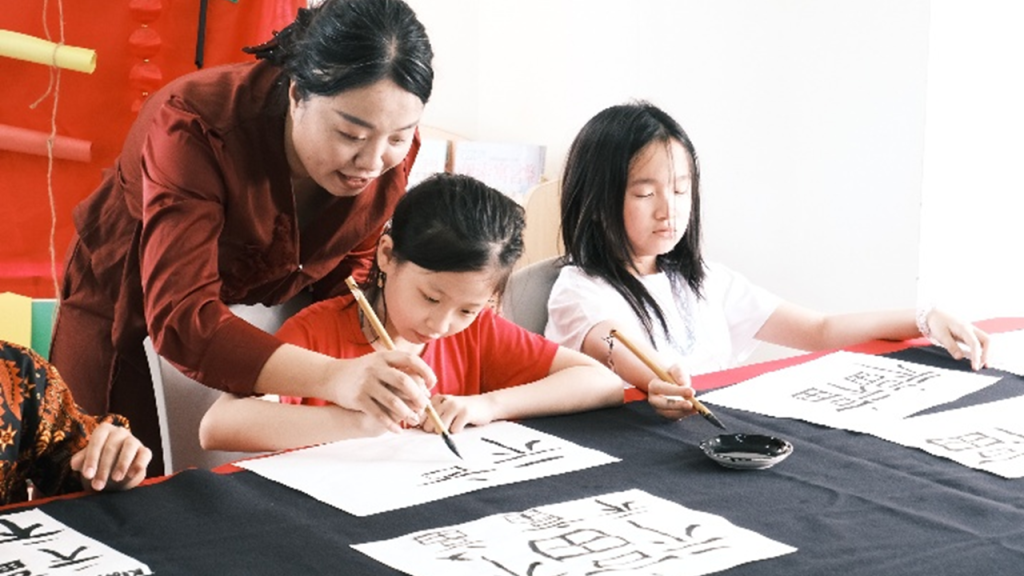
Calligraphy/Shufa
Shufa is an extracurricular activity that introduces students to the art of writing Chinese characters using traditional brush techniques. Through this activity, students learn precision, patience, and concentration, while also developing their creativity and appreciation for Chinese culture. Through enjoyable practice, students can improve their artistic skills while gaining an understanding of the meaning and beauty of each stroke of the characters.


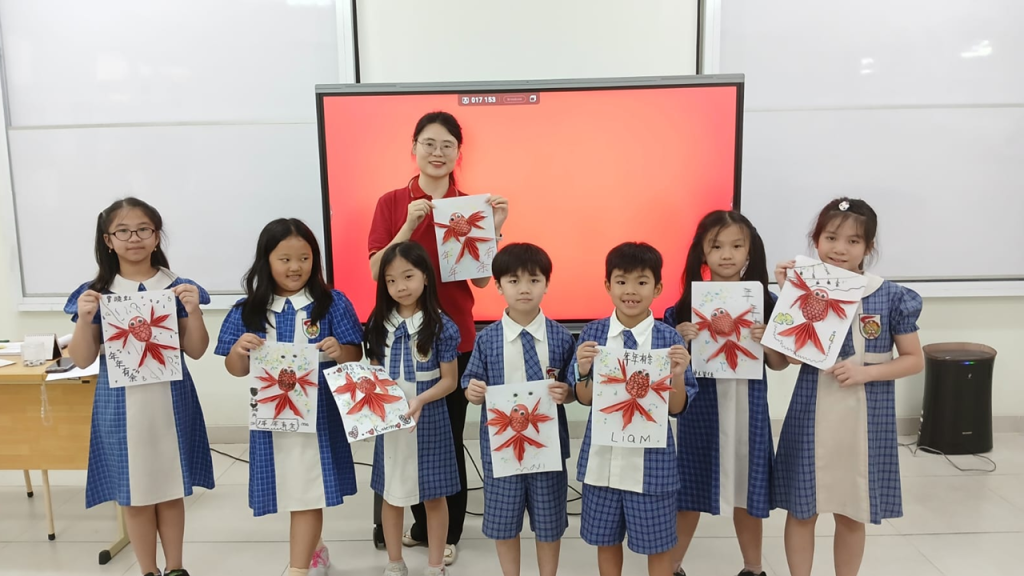
Chinese Art n Craft (Shougong)
Chinese Art & Craft (Shougong) is an extracurricular activity that encourages students to explore various traditional Chinese crafts through creative and enjoyable activities. Students will learn to create various artworks such as paper cutting, lanterns, Chinese knots, and other traditional crafts. Through this program, students develop creativity, attention to detail, and fine motor skills, while also learning about and appreciating the richness of Chinese culture.
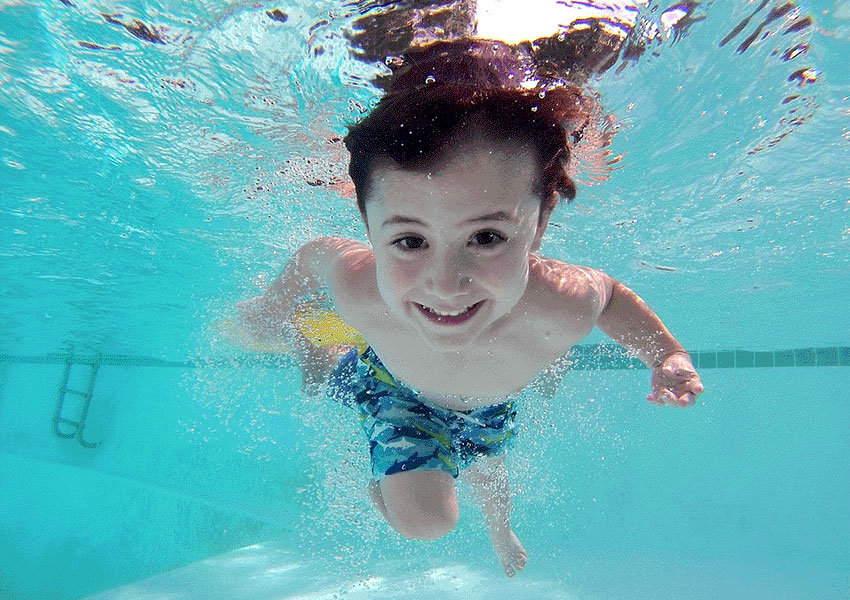
Swimming
Swimming is an extracurricular activity that helps students develop swimming skills through safe, fun, and age-appropriate training. In addition to improving physical fitness and endurance, this activity also fosters coordination, discipline, courage, and self-confidence. Under the guidance of experienced coaches, students can master swimming techniques while adopting a healthy lifestyle from an early age.